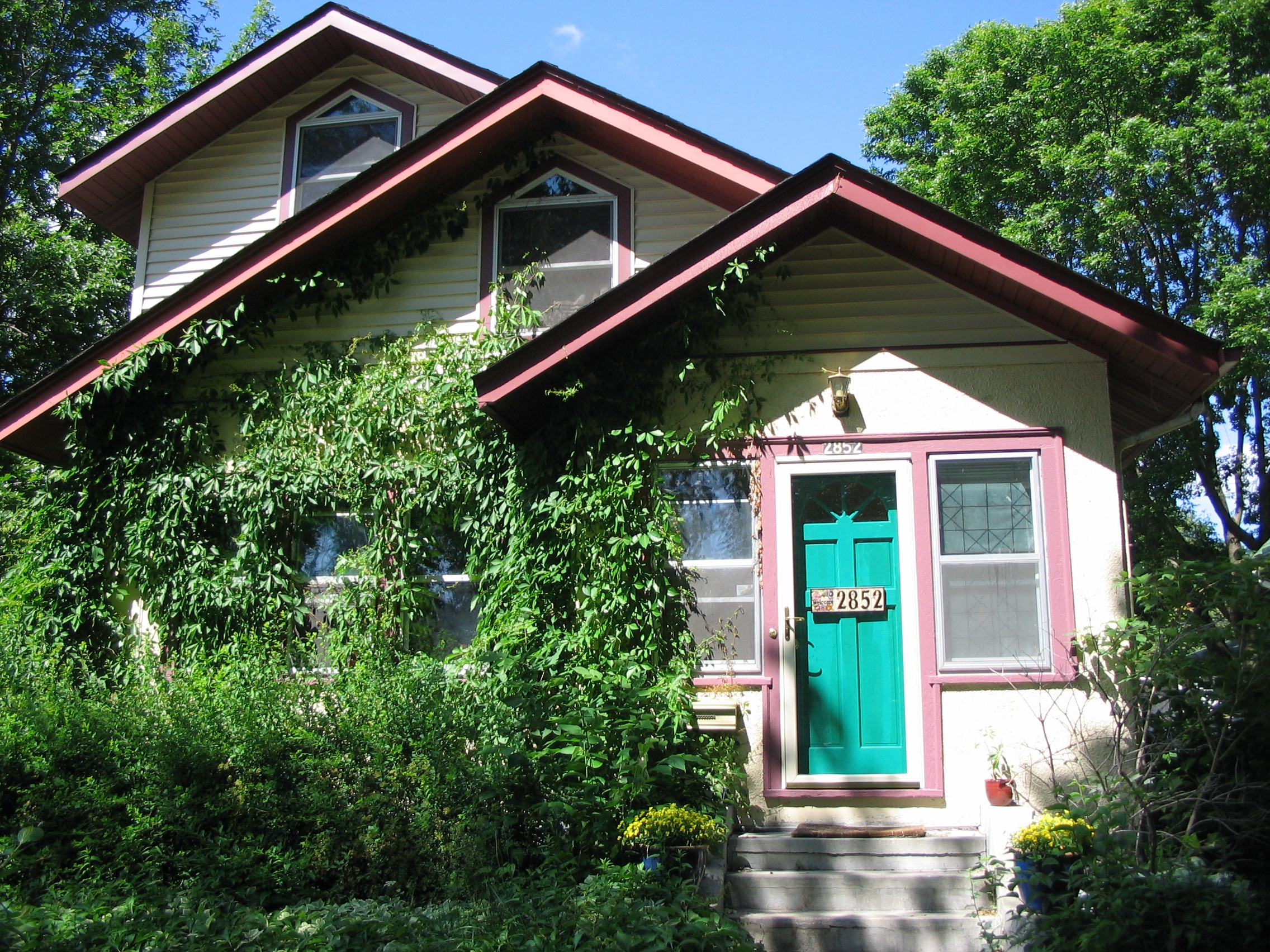
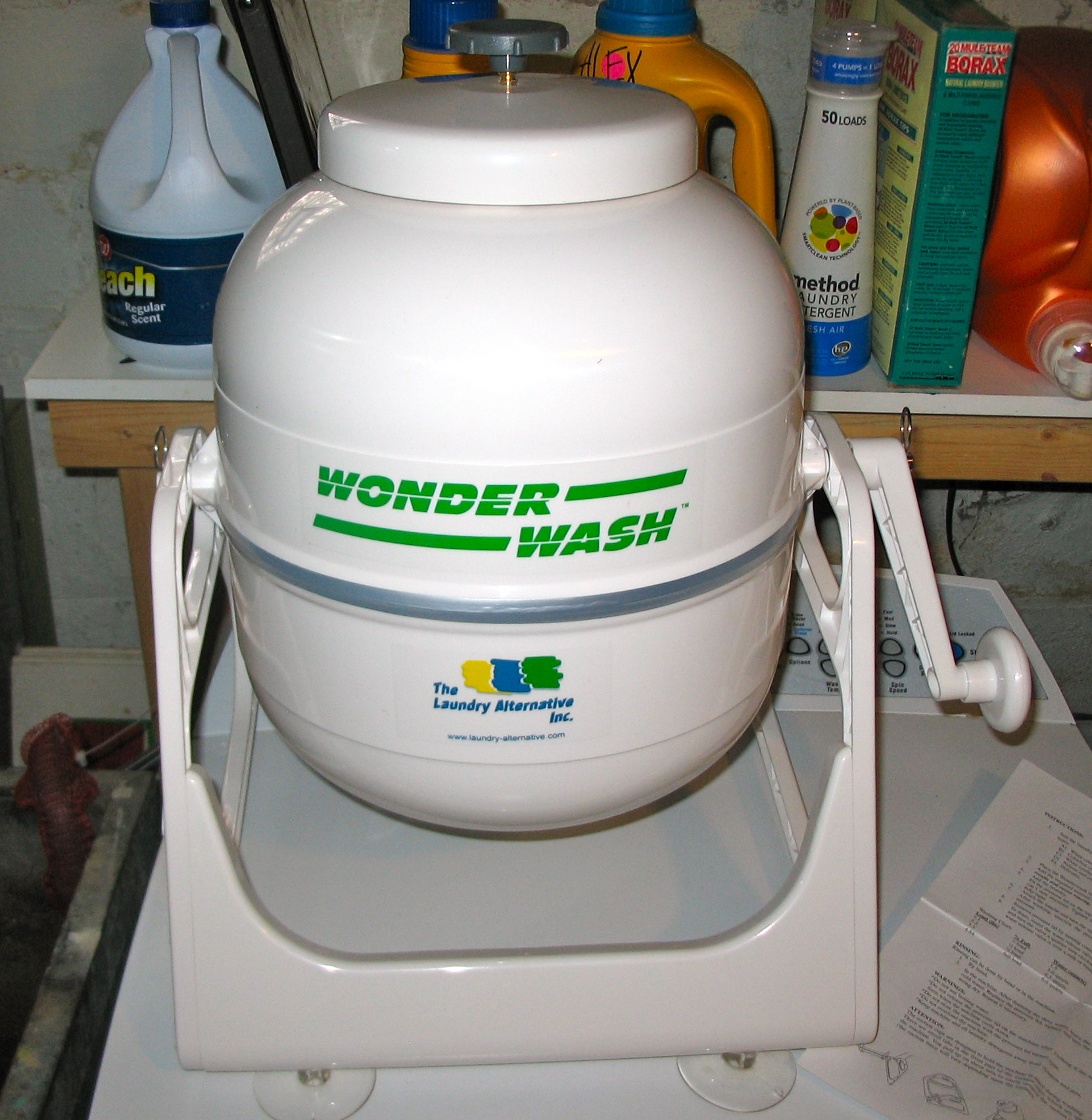
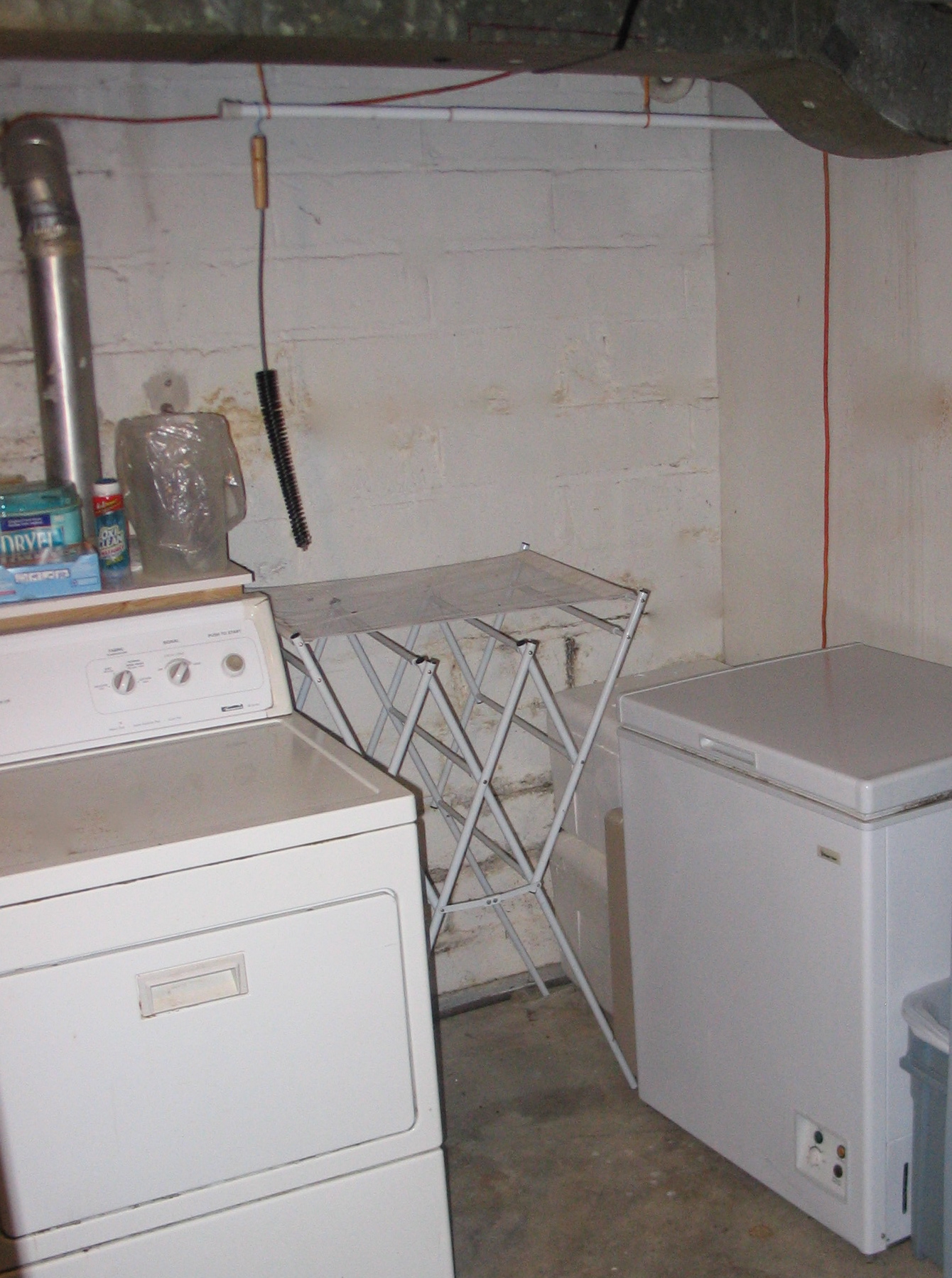
In December, people along our alley lost partial power for several days. In our house, we lost electricity to the 2nd floor and half of the first floor. One of our neighbors lost the use of his furnace (even gas furnaces use electricity, at least for the blower fan that takes the heat throughout your house). It was below freezing. It got me thinking about what we would need to do – temporarily or in the longer-term – to live in our house without a gas or electric furnace.
Category Archives: mini challenges
Using Energy Audits to Make Progress
Incremental Changes Add Up
Shortly after I moved into my house, 15 years ago, I got an energy audit through our local utility company.
The guys came out with their blower door to check for airflow and found that my house was a sieve. Built in 1915, it had its original windows and doors and enough drafts to blow out candles on a windy day. They gave me some rolls of weatherstripping, showed me where to caulk, and when they left I had a list of all the problem areas. I picked off the small, cheap projects first.
- Install insulation pads behind outlet covers on outside walls.
- Weatherstrip the doors
- Caulk around the windows
- Insulate the window jams of the old double-hung windows
- Spray Great Stuff into the crumbling spots around the foundation – if mice are getting in, so is cold air
- Use plastic over the windows in the winter
No change in the utility bills.
Home Heating Part 1 – The Good, The Bad, The Ugly
I pulled out our gas and electric bills for the past year and entered them into Ennovationz.com to see a chart of energy activity for our household. I then checked in at the Minnesota Energy Challenge to see how our bills stacked up with the average Minnesota household. Here’s the scoop:
We be chillin’
We’re turning down the thermostat for the Feb. mini-challenge, “How Low Can You Go?” Our basement family room was already pretty cool, so we needed to prepare. I put together this little photo album about staying comfortable and having fun as the temp drops.
Note: We don’t intend to only solve challenges by buying new products – like fun socks and gloves – but right now, that is working for us. In future, we will make or ask to be gifted with such practical, thrifty items.
Using the Wonder Wash
Here is a link to a Facebook photo album detailing my experience using the non-electric Wonder Wash for the first time. It was relatively quick and easy, and I was able to use only 5 gallons of water, all of which I recaptured to use as gray water for flushing toilets.
As you’ll see, I did use the spin cycle of the regular washing machine for about 10 minutes, so I could hang my shirts without distorting them from the weight of the water. (I guess that would be the only water I couldn’t reclaim as gray water.) The only downside to the experience was that the directions that came with the Wonder Wash were unclear and incomplete. I had to go online to find instructions regarding amounts and temperatures of water to use for washing and rinsing, and then had to convert the liters to gallons. Not really a big deal, and it’s easy to remember going forward.
A friend wondered about whether soap would be left in the clothes at the end of washing. My clothes are still damp as I write this, so I will post again to let you know how they turned out when dry.

February Mini-Challenge: Home Heating – How Low Can You Go
The sustainability group met this morning. 17 people attended, a number of them for the first time. Because February is often one of the coldest month’s of the year here in Minnesota, we decided to see what we could do about the home heating bill. That’s going to be a challenge for us. We already have a set-back thermostat and it seems to me we set it WAY back… but we’re up for a challenge. Let’s see how low we can go and not upset our tenant.
NEXT SUSTAINABILITY MEETING: March 5, 10:30 to noon, Peace Coffee on 34th and Minnehaha.
Laundry Room Conversations – Mindfulness
The last part of our conversation about laundry habits was recognizing how we use or misuse our time. We own a well functioning washing machine and gas dryer. We put a load of laundry in and walk away. Sometimes we walk away for 2 or 3 days only to come back to sour smelling clothes forgotten in the washer, or a wrinkled pile of fabric left in the dryer.
In other words, we are not mindful about what we are doing with our clothes. And that’s not the only thing we aren’t mindful about …
Airing Dirty Laundry
Leslie previously mentioned the importance of “creating an environment conducive to success.” That did not describe our laundry room. The working end was a mess. And for me, shame about the current state can be a major obstacle to change. I bet I’m not alone in this. So, I am airing my dirty laundry with before and after pics of the drying area of our laundry room. You can see why we weren’t using it before.
Now, having looked at it with new eyes and “thinking of it as an adventure, I was able to reclaim the space in under 20 minutes!
Laundry Room Conversations – Space
As the parents of 5 kids, now grown, we understand the vital interplay between how you arrange your space and the activities (or conflicts) that occur within that space. As Leslie puts it: “You have to create the conditions for success”
As we think about the laundry room, we asked ourselves if we had created the physical conditions that made change possible and likely that we would make a significant change in how we do laundry … and our answer was, not yet.
Continue reading
Laundry Room Conversations – Clothes
As January’s laundry mini-challenge comes to an end, my husband and I sat down to talk about what it would mean to change our laundry habits. Phil Grove’s comment about “too many clothes” was part of that discussion.