Category Archives: Energy

Where Electricity Comes From Quiz

The Union of Concerned Scientists has an informative presentation and quiz on the source of electricity in the East and Southeast of the U.S. Take the quiz – see how you do. Without giving away the answer, you’ll see a figure that fits with a previous post about why energy efficiency is not enough. Change is essential.

So where does Minnesota energy come from? Here’s a graphic from the MN Pollution Control Agency breaking down Minnesota energy sources. “Over half of the electricity generated in Minnesota comes from coal-fired electric power plants. Minnesota receives most of its coal supply by rail from Montana and Wyoming. Two nuclear plants near the Twin Cities typically account for nearly one-fourth of the state’s electricity production.”

So how much of our electricity can we replace with renewable energy here in Minnesota? Well, the Minnesota’s Renewable Energy Standard (RES) law requires that 25% of retail electricity sold in the state come from renewable sources by 2025 and we’re not close to that yet.

  • Wind: Minnesota ranks ninth in the country for wind energy potential (here’s a nifty map showing where Minnesota has wind energy potential). North Dakota is first and South Dakota is fourth), much of which is located along the Buffalo Ridge in southern and southwest Minnesota.
  • Solar: We’re not in as good a shape as Arizona, but we aren’t all that bad, either. Check out this map on Solar Works for Minnesota showing solar power potential in MN. We have greater solar potential than Germany, which is leading the way in solar.
  • Biomass: We don’t hear about this very much, and its not something most average people can access, but check out what the Union of Concerned Scientists has to say about biomass. We DO have biomass resources in Minnesota.

A few resources to bookmark when you want to learn more about energy, energy policy, and renewable energy resources:

More Efficiency Adds Up to More Use

Or… why we need to actually change what we do, not just how we do it.

Check out this story from Bjørn Lomborg, the author of The Skeptical Environmentalist and Cool It, head of the Copenhagen Consensus Center, and adjunct professor at Copenhagen Business School.

“Back in the early 1970’s, the average American expended roughly 70 million (BTUs) per year to heat, cool, and power his or her home. Since then, of course, we have made great strides in energy efficiency …. So how much energy do Americans use in their homes today? … roughly what it was 40 years ago: 70 million BTUs.

This surprising lack of change is the result of something economists call the “rebound effect” …  the more efficient we get at using something, the more of it we are likely to use. Efficiency doesn’t reduce consumption; it increases it.

… Research findings along these lines, published in August in The Journal of Physics by energy economist Harry Saunders and four colleagues from the US Department of Energy’s Sandia National Laboratories… found that, “as lighting becomes more energy efficient, and thus cheaper, we use ever-more of it….”

The article ends with, “…we shouldn’t fool ourselves into thinking that swapping our current car for a Prius, or replacing our incandescent lights with energy-efficient fluorescent bulbs, will strike a meaningful blow against climate change.”

The author suggests it is more important to pressure government to give us better answers. I think the author can afford to say that because he doesn’t live in the U.S.

I think from a personal action standpoint, while we can try to influence legislators, we can also work on making more radical change, not simply going for the easy fix.

Phantom Load: Ferreting Out the Energy Vampires

Phantom load is electrical use from appliances that are plugged in but not in use. According to the Union of Concerned Scientists, phantom load can account for 5-10% of the average home’s energy use, or some 65 billion kilowatt-hours of electricity each year. That adds up to 87 billion pounds of carbon dioxide in our air and $5.8 billion from our wallets. In other words, the energy vampires located all around our home are bleeding us dry.

Continue reading

Short-Term (?) Survival Without Home Heating

In December, people along our alley lost partial power for several days. In our house, we lost electricity to the 2nd floor and half of the first floor. One of our neighbors lost the use of his furnace (even gas furnaces use electricity, at least for the blower fan that takes the heat throughout your house). It was below freezing. It got me thinking about what we would need to do – temporarily or in the longer-term – to live in our house without a gas or electric furnace.

Continue reading

Using Energy Audits to Make Progress

Incremental Changes Add Up

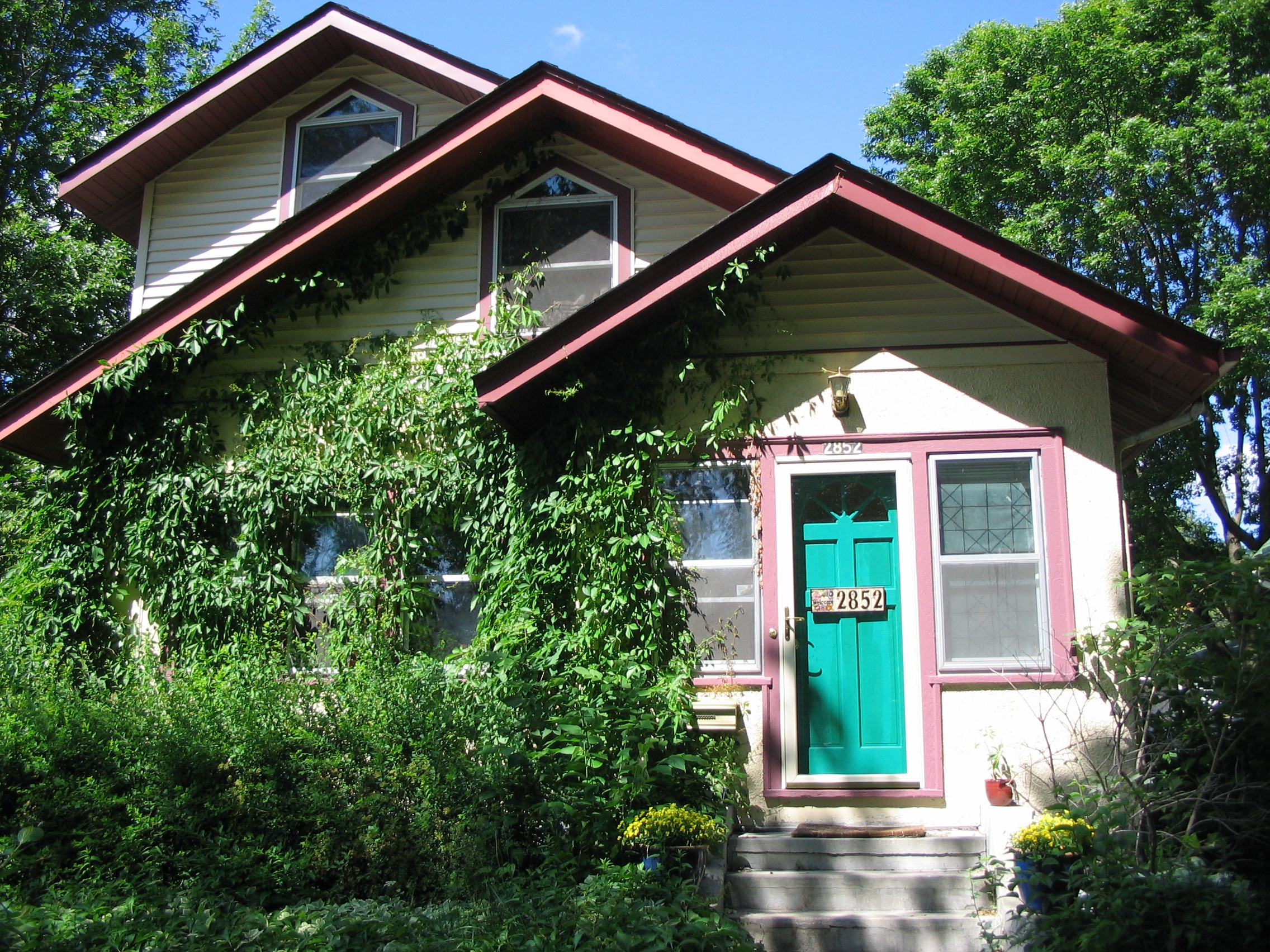
Shortly after I moved into my house, 15 years ago, I got an energy audit through our local utility company.The house The guys came out with their blower door to check for airflow and found that my house was a sieve. Built in 1915, it had its original windows and doors and enough drafts to blow out candles on a windy day. They gave me some rolls of weatherstripping, showed me where to caulk, and when they left I had a list of all the problem areas. I picked off the small, cheap projects first.

  • Install insulation pads behind outlet covers on outside walls.
  • Weatherstrip the doors
  • Caulk around the windows
  • Insulate the window jams of the old double-hung windows
  • Spray Great Stuff into the crumbling spots around the foundation – if mice are getting in, so is cold air
  • Use plastic over the windows in the winter

No change in the utility bills.

Continue reading

It is Possible to Reduce Your Heating Bill by 70 to 90%

Yes, you can make your house super efficient, but might not want to… yet.

We visited the Corcoran neighborhood sustainability fair on 2/12/11 and saw two sessions: one was about deep energy reduction retrofitting, or DERR. Never heard of it before? We hadn’t either so we were fascinated with the idea that many typical Minnesota house, like ours, could be made more energy efficient than most new homes through retrofitting.

Continue reading

Introducing Our Energy Consultant: Ralph Jacobson

I don’t understand the basics of electricity, much less sustainable energy use so I’ve asked for help. My friend Ralph Jacobson, CEO of Innovative Power Systems, has come on board as our blog’s energy expert. He’ll be helping me understand what those numbers are on the killawatt measuring tool, what that number means if we were to try to use a renewable energy source to reach it, and some tradeoffs we can make

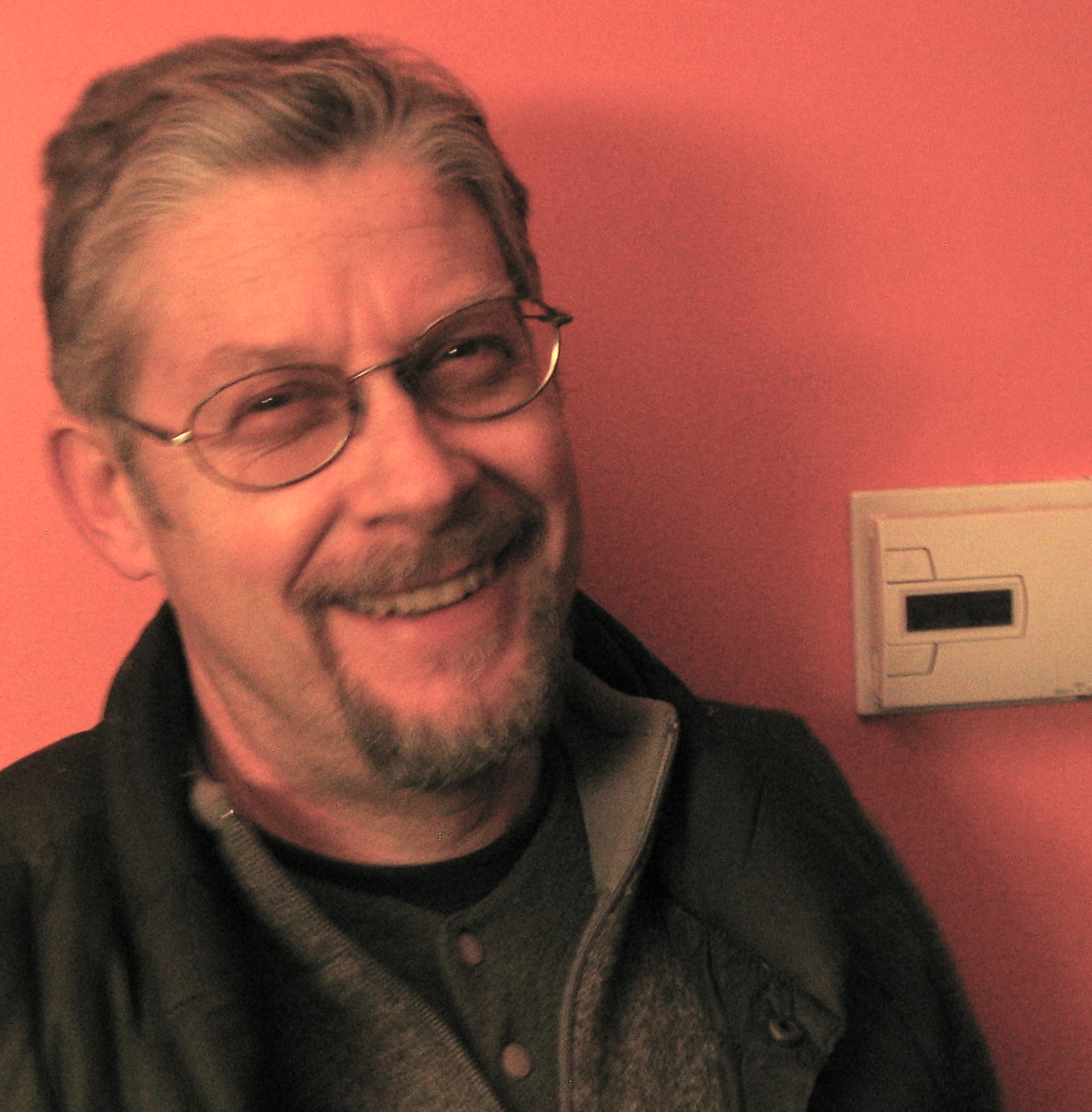
Ralph Jacobson, energy consultant

Ralph Jacobson, president of Innovative Power Systems

Innovative Power Systems designs, installs and services solar electric, wind electric, and solar thermal systems for residential and commercial projects.  The company is NABCEP certified for solar electric and solar thermal. They’ve installed hundreds of solar energy systems since 1991, when Ralph founded IPS.

Ralph is a board member of the Minnesota Renewable Energy Society and President of the Minnesota Solar Energy Industries Association (MnSEIA). He works with legislators, regulators and utilities to craft renewable energy incentives and regulations.

Ralph teaches solar and energy-related classes at Century College that are open to anyone. Check out the class schedule at the Minnesota Renewable Energy  Society website. He’s got a class this month on photovoltaics and one on solar water heating.

While he was at our house getting this not-very-good photo taken, we pulled out last month’s electric bill. At 22.3 killawatt hours of energy use per day (759 for the month), Ralph tells us we are an average American household. We have plenty of room for improvement.

February Mini-Challenge: Home Heating – How Low Can You Go

The sustainability group met this morning. 17 people attended, a number of them for the first time. Because February is often one of the coldest month’s of the year here in Minnesota, we decided to see what we could do about the home heating bill. That’s going to be a challenge for us. We already have a set-back thermostat and it seems to me we set it WAY back… but we’re up for a challenge. Let’s see how low we can go and not upset our tenant.

NEXT SUSTAINABILITY MEETING: March 5, 10:30 to noon, Peace Coffee on 34th and Minnehaha.